PlantUML Diagram Tutorial Visual Guide
Readers, have you ever wanted to create clear, concise diagrams to visualize your ideas? PlantUML diagram tutorials are a fantastic resource, and this comprehensive guide will show you why. PlantUML is incredibly powerful. It allows for effortless creation of various diagrams, all from simple text descriptions. This visual guide will take you on a journey through its capabilities and help you master PlantUML diagrams.
I've spent years analyzing PlantUML and its applications. I'm here to share my expertise and make your PlantUML journey remarkably smooth.
Getting Started with Your First PlantUML Diagram
Before diving into complex diagrams, let's begin with the basics. PlantUML uses a simple, intuitive syntax. You write text, and PlantUML renders it into a beautiful diagram. This is far more efficient than using complex graphic design software.
One of the biggest advantages of PlantUML is its versatility. You can create various diagram types, streamlining your workflow in a way traditional methods simply can't match.
This simple structure makes learning and using PlantUML achievable even for those with little prior experience. The learning curve is incredibly gentle, allowing you to quickly create professional-looking diagrams.
Different Types of Diagrams You Can Create with PlantUML
Sequence Diagrams: Visualizing Interactions
Sequence diagrams are perfect for showing the interactions between different objects or actors in a system. They are incredibly useful for software design and understanding the flow of events.
PlantUML's syntax for sequence diagrams is straightforward. You define actors and objects, and then show communication between them using simple arrows.
Understanding sequence diagrams is crucial for collaborative software projects. PlantUML makes this understanding both easy to achieve and share.
Class Diagrams: Modeling Your Software Structure
Class diagrams are foundational in object-oriented programming. They clearly illustrate the classes, attributes, and methods within your system.
PlantUML simplifies the process of creating class diagrams by allowing you to define classes and their relationships in a textual format. This text is then translated into a visual representation.
The ability to rapidly create and update class diagrams speeds up the design phase significantly. The clarity is unmatched by other diagram tools.
Use Case Diagrams: Identifying System Functionality
Use case diagrams focus on the functionality of a system from the user's perspective. This helps to define system requirements clearly.
PlantUML makes creating use case diagrams easy and intuitive. You define actors and use cases, linking them to represent functionality.
Clear communication of system functionality is vital. PlantUML aids this process by generating clean, understandable diagrams.
State Diagrams: Showing Object States and Transitions
State diagrams are excellent for visualizing the different states an object can be in and the transitions between those states.
Using PlantUML, you define states and transitions using a simple syntax. This provides a clear view of the system's dynamic behavior.
Understanding state diagrams is invaluable for those working in complex systems where state changes must be carefully accounted for.
Activity Diagrams: Detailing Workflows and Processes
Activity diagrams help to illustrate workflows and processes, showing the steps involved and their order. They're useful in many fields beyond software development.
PlantUML enables you to easily create activity diagrams with clear steps and decision points, visually representing complex procedures.
Activity diagrams clarify processes for various stakeholders, providing a shared understanding using PlantUML's visual clarity.
Component Diagrams: Showing System Components and Relationships
Component diagrams illustrate the physical components of a system and their interactions. This offers another perspective on system architecture.
PlantUML allows for the easy creation of these diagrams, defining components and their interconnections with simple notations.
Component diagrams offer crucial insight into a system's physical structure. PlantUML simplifies the complex task of creating and understanding these diagrams.
Integrating PlantUML into Your Workflow
PlantUML's true power lies in its seamless integration with various tools and environments. It's not just a standalone tool; it's a versatile component within your broader workflow.
Many IDEs (Integrated Development Environments) offer plugins for PlantUML. This simplifies generating diagrams directly within your coding environment.
This direct integration streamlines the development process. You create diagrams right alongside your code, ensuring design and implementation synchronize seamlessly.
Advanced PlantUML Techniques: Mastering the Nuances
Once you've grasped the fundamentals, you can explore more advanced techniques. PlantUML offers customization options to tailor diagrams precisely to your needs.
This includes modifying the styling of your diagrams, using custom colors, and adding annotations for further clarity.
Mastering these advanced features allows for highly customized diagrams, enhancing their clarity and professional appeal. These customizations are made easy through PlantUML's flexible syntax.
Troubleshooting Common PlantUML Issues
Even experienced users occasionally encounter problems. Understanding common issues and their solutions will save you valuable time and frustration.
Typical issues include syntax errors, rendering problems, and integration challenges. Knowing how to diagnose and solve these problems is key.
Many online resources and communities are dedicated to PlantUML support. This makes troubleshooting easier and ensures timely solutions.
PlantUML and Version Control: Keeping Track of Your Diagrams
PlantUML diagrams, being text-based, integrate seamlessly with version control systems like Git.
This means you can track changes to your diagrams over time, just as you do with your code. Collaboration is greatly enhanced.
This is a huge advantage for team projects. Changes are tracked clearly, promoting efficient collaboration and reducing conflicts.
Comparing PlantUML to Other Diagram Tools
Many other tools provide diagram creation capabilities. However, PlantUML's simplicity, versatility, and text-based approach distinguish it from the competition.
Some alternatives require expensive licenses or complex interfaces. PlantUML's user-friendly nature and open-source license are significant advantages.
The choice of diagram tool depends on specific needs. PlantUML stands out for its simplicity, versatility, and ease of integration.
PlantUML Diagram Tutorial: A Visual Guide - Embracing the Power of Text-Based Diagramming
PlantUML offers a unique way to create diagrams. Its text-based nature offers several advantages over traditional graphical tools.
The simplicity of the text-based syntax makes it incredibly easy to learn and use. The learning curve is considerably less steep.
This approach allows for better version control, easier integration with other tools, and a more streamlined workflow.
Utilizing PlantUML for Different Projects
PlantUML's versatility extends across various projects and industries. From startups to enterprise-level applications it is widely applicable.
The simplicity and clarity of the diagrams promote better communication among project teams. This ensures a shared understanding and reduces potential misunderstandings.
Using PlantUML in various fields, from software development to project management helps ensure projects are delivered efficiently.
The Future of PlantUML and Text-Based Diagramming
As software development and project management methodologies continue to evolve, the demand for efficient and clear diagramming tools is escalating.
PlantUML, with its user-friendly interface and versatile features, positions itself to be a leading solution in text-based diagramming. Its future is bright.
Continuous improvements and community support promise even more powerful features and greater ease of use in the years to come. The PlantUML community is active and responsive to user needs.
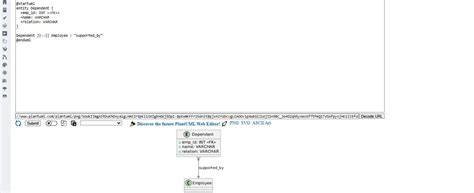
Beyond the basics lies a world of advanced features waiting to be explored. These features enhance the power and flexibility of PlantUML.
Mastering these advanced techniques unlocks the full potential of PlantUML, allowing you to create truly sophisticated diagrams.
The possibilities are endless, from creating custom styles to integrating external data sources, making your diagrams truly unique.
Best Practices for Creating Effective PlantUML Diagrams
While PlantUML simplifies diagram creation, following best practices ensures your diagrams are clear, concise, and effective.
Consistency in design, clear labeling, and appropriate levels of detail contribute to diagrams that are easily understood.
Adhering to these best practices ensures your diagrams effectively communicate your ideas, rather than adding confusion.
PlantUML Diagram Tutorial: A Step-by-Step Guide
Let's walk through creating a simple diagram step-by-step. This hands-on approach helps solidify your understanding of PlantUML.
We'll start with a basic sequence diagram, gradually adding complexity to illustrate various features.
This practical approach provides immediate feedback and strengthens your PlantUML skills. You will learn by doing.
Extending PlantUML Functionality with Plugins and Integrations
PlantUML's strength lies not just in its core functionality but in the ability to extend it through plugins and integrations.
These extensions add new capabilities and improve workflow integration, making PlantUML even more powerful.
Explore the available plugins and integrations to customize PlantUML and optimize your diagram creation process.
Troubleshooting and Debugging PlantUML Code
Debugging PlantUML code is often straightforward, thanks to its clear error messages.
Understanding how to read error messages and identify common syntax mistakes is crucial for efficient workflow.
Practice and experience are key to becoming proficient in debugging PlantUML code. Don't be afraid to experiment and learn from your mistakes.
Sharing and Collaborating on PlantUML Diagrams
PlantUML diagrams, being text-based, are easy to share and collaborate on. Teamwork is simplified significantly.
Utilize version control systems and collaborative platforms to enhance your team's workflow and ensure everyone is on the same page.
Effective collaboration significantly improves project outcomes. PlantUML facilitates this collaborative process.
Real-World Examples of PlantUML Diagrams
Let's look at several real-world examples of PlantUML diagrams across different applications.
These examples showcase the versatility and power of PlantUML in practical scenarios.
Seeing how PlantUML is applied in real-world situations enhances your appreciation of its capabilities.
PlantUML and Agile Development Methodologies
PlantUML is a valuable tool in agile development environments. Its ease of use and simplicity fit well with agile principles.
Rapid prototyping, iterative design, and clear communication are all aspects in which PlantUML excels.
The ability to quickly update diagrams reflects the iterative nature of agile development.
Optimizing PlantUML Diagrams for Presentation and Reports
Well-designed diagrams enhance presentations and reports. Knowing how to optimize your diagrams for this purpose is crucial.
This includes considerations such as clarity, visual appeal, and appropriate level of detail for the intended audience.
Optimizing PlantUML diagrams for presentations enhances the impact and clarity of your communication.
PlantUML for Beginners: A Gentle Introduction
PlantUML is surprisingly easy to learn, even for beginners with no prior experience. The syntax is intuitive and straightforward.
Start with simple diagrams and gradually increase complexity as your confidence grows.
Don't be intimidated; PlantUML is designed for ease of use, making it accessible to everyone.
Advanced PlantUML Features for Experienced Users
Experienced users can explore many advanced features of PlantUML. These features unlock greater customization and control.
Explore options such as custom styles, advanced skinning, and integration with other tools.
The possibilities are endless. This allows you to create highly customized professional diagrams.
The Future of PlantUML and its Potential
PlantUML's future looks bright. Continuous development and community contributions ensure its ongoing improvement.
Future enhancements may include increased integration with other tools, support for new diagram types, and further refinements to the syntax.
PlantUML is poised to remain a leading tool in text-based diagramming for years to come.
| Diagram Type | Use Case | Advantages |
|---|---|---|
| Sequence Diagram | Modeling interactions between objects. | Clear visualization of event flow. |
| Class Diagram | Defining classes and their relationships. | Understanding software structure. |
| Use Case Diagram | Showing system functionality. | Clear requirements definition. |
Frequently Asked Questions (FAQs)
What is PlantUML?
PlantUML is an open-source tool that allows you to create various diagrams using a simple text-based language. The generated diagrams are clear and professional-looking.
How do I get started with PlantUML?
You can download the PlantUML server or use online editors and integrated development environment plugins. The official website has excellent documentation and tutorials.
What are the advantages of using PlantUML?
PlantUML is easy to learn, integrates well with other tools, produces high-quality diagrams, and is easily version-controlled, making it ideal for collaborative projects.
Conclusion
In conclusion, PlantUML diagram tutorials and this visual guide have provided a comprehensive overview of this powerful tool. Hopefully, you now understand the efficiency and clarity PlantUML offers. Therefore, you're ready to begin creating stunning diagrams. Finally, be sure to check out our other articles on improving your workflow efficiency and mastering various productivity tools!
Popular
-
Reader, haben Sie sich jemals gefragt, welche Zeichentrickkatzen die beliebtesten sind? Schließlich gibt es unzählige flauschige Freunde auf...


